
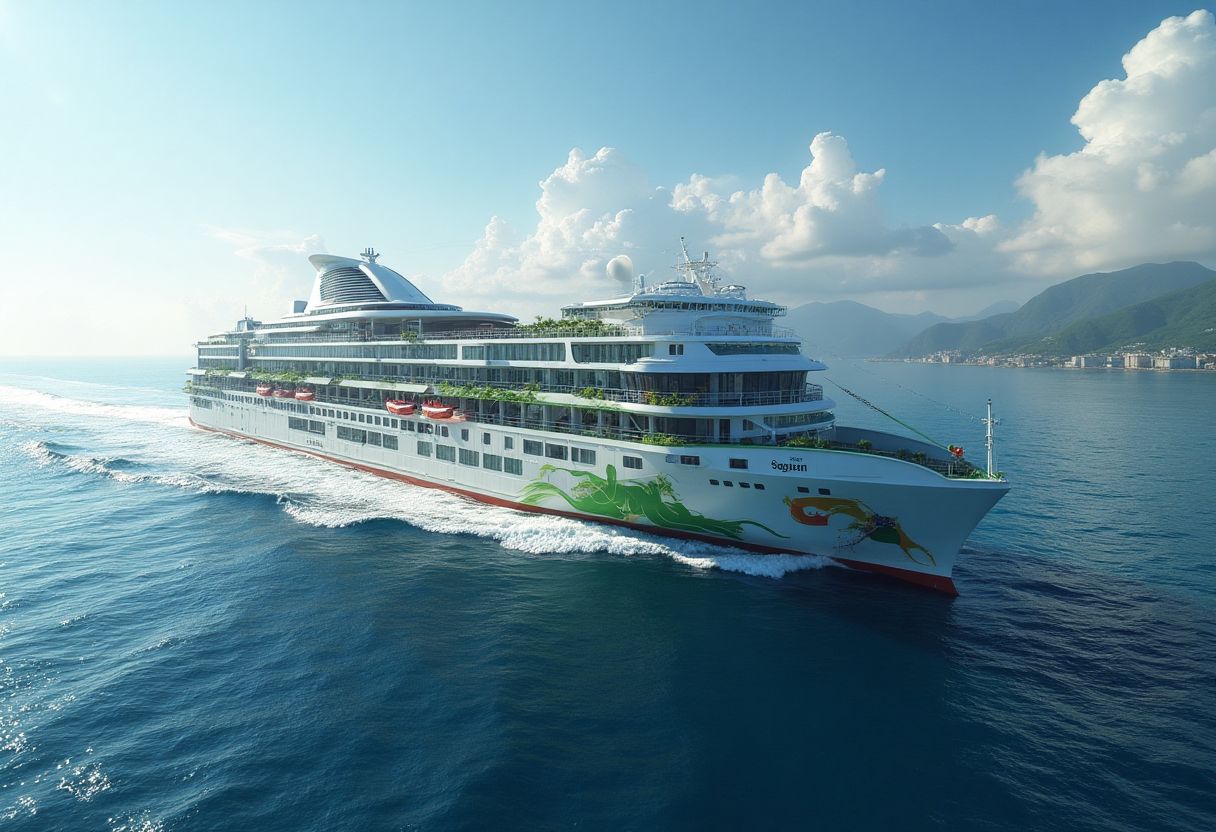
Cruising has always conjured images of luxury and adventure on the open sea. In recent years, however, a growing number of travelers have begun to wonder if cruising can truly align with sustainability goals and a desire for minimal environmental impact. This shift in perspective has prompted cruise lines to reconsider their operations and adopt a range of eco-friendly practices. Examining these changes reveals steady progress as well as ongoing challenges in making cruises genuinely sustainable.
Understanding the environmental impact of cruising
The cruise industry finds itself under close scrutiny due to its role in generating carbon emissions, air pollution, and waste. Most ships still rely on heavy fuel oils that emit significant pollutants into the atmosphere. Tackling the challenge of fuel and emissions reduction requires a coordinated approach involving regulatory compliance, innovative ship design, and continual updates to operational standards.
Conventional marine engines release sulfur oxides, nitrogen oxides, and fine particulates, all of which harm both ocean ecosystems and port communities. As public awareness grows, pressure mounts for sustainable cruise lines to implement solutions that protect oceans and sensitive coastal regions for generations to come.
Eco-friendly practices on modern cruise ships
Today’s cruise operators like safir cruises are working diligently to integrate eco-friendly practices that address major environmental concerns. These efforts encompass not only technological advancements but also practical adjustments in daily onboard routines. The increasing adoption of such measures demonstrates a clear trend: sustainability is now central to many cruise providers’ philosophies.
The pursuit of reduced environmental impact involves visible steps, like comprehensive recycling programs, alongside subtler improvements in ship design and technology. Each initiative forms part of a wider strategy to balance comfort and luxury with responsible stewardship of natural resources.
Fuel and emissions reduction: What steps are being taken?
A primary focus for the industry is decreasing reliance on traditional fossil fuels. Many cruise lines invest in more efficient engines and advanced propulsion systems to lower overall consumption. Retrofitting vessels with exhaust gas cleaning systems—commonly called scrubbers—helps capture harmful emissions before they reach the atmosphere.
Newer ships benefit from hull designs optimized for hydrodynamics and lightweight materials that further improve fuel efficiency. Combined with engine upgrades, these innovations support ambitious emissions reduction targets across entire fleets.
Alternative fuels and energy sources aboard cruise ships
Progress in alternative fuels goes beyond cleaner diesel or oil blends. Some ships are pioneering the use of liquefied natural gas (LNG), biofuels, and even hybrid battery-electric systems. Embracing these technologies helps reduce greenhouse gas output and moves the sector closer to carbon neutrality.
Energy-efficient LED lighting, solar panels, and intelligent energy management systems further bolster the shift toward greener power. By integrating multiple approaches, cruise ships continue to advance effective emissions control while preserving guest comfort.
Effective waste management strategies
Managing the vast amount of waste produced by thousands of passengers each week remains a significant challenge. Cruise lines dedicate substantial resources to building robust waste management protocols throughout every area of operation. Successful strategies depend on a blend of prevention, recycling, and innovative disposal techniques.
Efforts to minimize single-use items and promote recycling among guests play key roles in shrinking a ship’s waste footprint. Behind the scenes, carefully managed processes ensure that unavoidable waste is disposed of responsibly, reducing the risk of polluting delicate marine environments.
Onboard recycling and reuse programs
Strategically placed recycling stations make it easy for guests and crew to separate plastics, paper, metals, and glass. On some ships, collection rates rival those of major cities thanks to thorough sorting and high-efficiency baling equipment. Sorted materials return to shore facilities for proper processing rather than ending up in landfills.
Crew members often take additional steps by reusing certain materials whenever possible—such as turning kitchen oil into biodiesel or composting food scraps for local agricultural use. These small-scale innovations help reduce strain on port city waste management during stopovers.
Advanced sewage and water treatment systems
Untreated wastewater poses serious risks to vulnerable marine habitats. Many modern cruise ships operate advanced onboard treatment plants capable of purifying both blackwater and greywater to near-drinking quality before releasing them at sea. Sewage sludge is safely processed and stored for regulated disposal at approved port facilities.
By following—and often exceeding—international standards, cruise lines show a commitment to managing the full lifecycle of their wastewater. Such measures help prevent the introduction of pathogens and excess nutrients into fragile ecosystems.
Sustainable cruise lines and ship design innovation
True sustainability begins long before a vessel ever sets sail—it starts during the planning phase. Innovations in ship design and technology create more efficient and environmentally conscious vessels. These advances are supported by transparent reporting and active engagement in global sustainability initiatives.
Industry leaders understand that continuous investment in research and development leads to lower fuel costs and improved environmental performance. New vessels frequently earn green certifications, marking real progress toward eco-friendly standards.
Features prioritizing carbon neutrality
Modern ships showcase features aimed at minimizing carbon footprints. Enhanced insulation, optimized HVAC systems, and heat recovery from engines contribute to significant energy savings. Some operators publish detailed annual reports highlighting CO₂ reductions and milestones achieved on the path to carbon neutrality.
Guest involvement also plays an important role. Many ships feature interactive displays illustrating the environmental impact of various onboard behaviors, encouraging everyone to participate in resource conservation and waste reduction throughout the voyage.
Regulatory compliance and oversight in sustainable cruising
Beyond voluntary action, stringent regulatory frameworks guide everyday decisions. Governments and maritime organizations enforce standards related to emissions controls, ballast water management, and discharge limits. Compliance ensures protection for marine life, coastal communities, and global climate objectives.
Regular independent audits, third-party certification, and real-time monitoring provide assurance that sustainability commitments yield measurable results. Greater transparency fosters trust between cruise lines and the growing community of ecologically conscious travelers.
- Adoption of low-sulfur fuels and exhaust cleaning technologies
- Use of renewable energy sources where feasible
- Comprehensive onboard recycling and composting programs
- Strict adherence to international maritime regulations
- Collaboration with ports for responsible waste offloading and shore power connections
Shaping the future of sustainable cruising
Although achieving zero environmental impact may be out of reach, the cruise industry’s commitment to continuous improvement signals a genuine move toward responsible tourism. The integration of eco-friendly practices and new developments in alternative fuels set the stage for more harmonious coexistence between recreation and conservation. A growing demand for transparency regarding emissions, waste, and energy policies continues to push cruise lines along the path of sustainability.
The future of truly sustainable cruising depends on ongoing cooperation among engineers, policymakers, and travelers. Through smarter choices, strong regulatory oversight, and continued investment in scientific advancement, cruise vacations can evolve to deliver memorable experiences without compromising environmental values.